What sealants do, when they help, and why they matter for cavity prevention. This guide gives you practical, parent-friendly information to help you understand the topic and know what to discuss with your child’s dental team.
Key takeaways
- Sealants protect deep grooves on back teeth where cavities often start.
- They are quick, painless, and do not require numbing.
- Sealants work best when combined with brushing, flossing, and regular checkups.
What Sealants Do
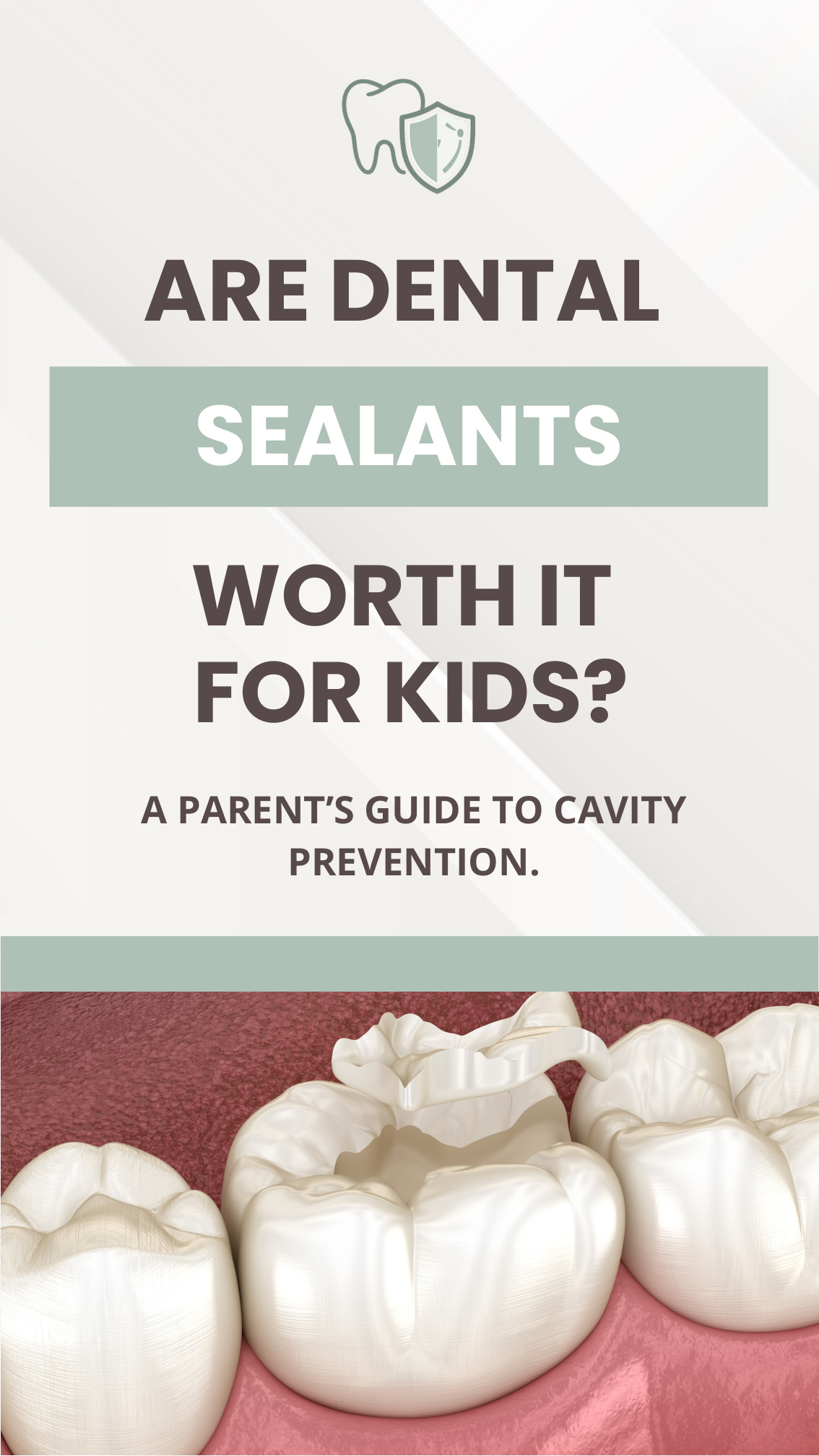
Sealants are thin protective coatings placed on the chewing surfaces of back teeth. They help block food and bacteria from settling into deep grooves that are difficult for children to clean well.
Why Back Teeth Need Extra Protection
Molars have pits and grooves that can trap plaque even when a child brushes regularly. Sealants create a smoother surface and reduce the risk of cavities in those areas.
When Sealants Are Recommended
Sealants are often recommended when permanent molars come in, usually around ages six and twelve. They may also be helpful for children with deep grooves or a higher cavity risk.
What the Appointment Is Like
Applying sealants is quick and painless. The tooth is cleaned, prepared, dried, and coated with sealant material. No numbing or drilling is needed.
How Long Sealants Last
Sealants can last for years, but they should be checked at regular dental visits. If a sealant wears down or chips, it can often be repaired or replaced.
Sealants Are Part of Prevention
Sealants do not replace brushing, flossing, fluoride, healthy snacks, or routine care. They are one helpful layer of protection in a prevention plan.
Common parent questions
Frequently asked questions
Do sealants hurt?
No. Sealants are quick and painless. The tooth is cleaned and coated, and no numbing or drilling is needed.
Which teeth usually need sealants?
Sealants are most often placed on permanent molars because their deep grooves are harder for children to keep clean.
Do sealants replace brushing and flossing?
No. Sealants are one layer of protection, but children still need brushing, flossing, healthy routines, and regular dental visits.