
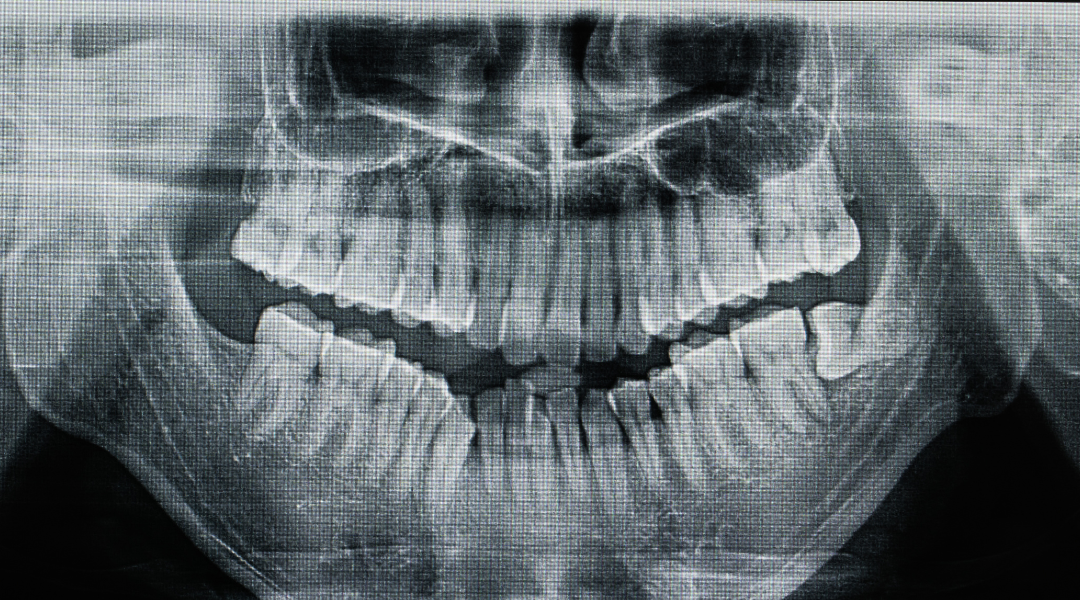
Many parents wonder whether dental X-rays are really necessary for children.
The truth is that X-rays help dentists see what cannot be seen during a regular visual exam alone. They play an important role in identifying cavities, monitoring tooth development, evaluating jaw growth, and catching potential problems early—often before a child feels pain or symptoms.
When used appropriately, dental X-rays are safe, fast, and an important part of preventative dental care.
Why Are Dental X-Rays Important for Children?
Children’s mouths change quickly as they grow.
Dental X-rays allow pediatric dentists to monitor:
- incoming adult teeth
- tooth alignment
- cavities between teeth
- jaw development
- crowding and spacing
- impacted teeth
- infections or abscesses
- bone health
- orthodontic concerns
Many dental problems begin below the surface where they cannot be seen during a regular exam.
Are Dental X-Rays Safe for Kids?
Yes.
Modern digital dental X-rays use extremely low levels of radiation—significantly lower than older traditional X-rays.
Pediatric dental offices also take additional safety precautions such as:
- limiting exposure
- using digital imaging technology
- taking X-rays only when clinically necessary
- protective shielding when appropriate
For most children, the benefits of identifying dental issues early far outweigh the minimal radiation exposure involved.
How Often Do Kids Need Dental X-Rays?
The frequency depends on:
- age
- cavity risk
- oral health history
- dental development
- orthodontic needs
Some children may only need X-rays occasionally, while others benefit from more frequent imaging to monitor growth or identify cavities early.
Your child’s dentist will recommend X-rays based on their individual needs—not a one-size-fits-all schedule.
What Problems Can X-Rays Detect?
Dental X-rays help identify issues such as:
- cavities between teeth
- hidden tooth decay
- infections
- extra teeth
- missing teeth
- impacted teeth
- bone loss
- developmental abnormalities
- orthodontic problems
- trauma-related injuries
Finding these problems early often leads to simpler, less invasive treatment.
Do Baby Teeth Really Need X-Rays?
Absolutely.
Even though baby teeth eventually fall out, they play an important role in:
- speech development
- chewing
- guiding permanent teeth into place
- maintaining proper spacing
Problems with baby teeth can affect adult teeth and overall oral development if left untreated.
Can Dental X-Rays Help Determine If My Child Needs Braces?
Yes.
X-rays are often used to evaluate:
- jaw growth
- crowding
- bite alignment
- impacted teeth
- spacing concerns
They help dentists and orthodontists determine whether early orthodontic intervention may be beneficial.
What to Expect During Dental X-Rays
Most dental X-rays only take a few minutes.
Your child may be asked to:
- bite gently on a small sensor
- sit still briefly
- wear a protective apron if needed
Modern pediatric dental offices work hard to make the process comfortable, quick, and low-stress for children.
Frequently Asked Questions About Kids’ Dental X-Rays
At what age should children get dental X-rays?
Many children receive their first dental X-rays around age 4–6, though timing depends on development and cavity risk.
Are dental X-rays safe for toddlers?
Yes. Modern digital X-rays use very low radiation levels and are considered safe when clinically necessary.
How often should kids get dental X-rays?
This varies based on cavity risk, oral health history, and growth patterns. Some children may need them more frequently than others.
Can cavities be missed without X-rays?
Yes. Cavities between teeth and below the surface are often invisible during a regular visual exam.
Do dental X-rays hurt?
No. X-rays are painless and usually take only a few minutes.
Why do dentists take X-rays of baby teeth?
Baby teeth affect jaw development, spacing, speech, and the positioning of adult teeth.
Can dental X-rays detect orthodontic problems?
Yes. X-rays help evaluate crowding, jaw growth, bite alignment, and impacted teeth.
Are digital dental X-rays safer?
Digital X-rays use significantly less radiation than traditional film X-rays.
What happens if my child refuses X-rays?
Pediatric dental teams often use child-friendly techniques to help kids feel comfortable. In some cases, X-rays may be postponed until a child is more cooperative unless urgently needed.
Do all kids need dental X-rays every year?
Not necessarily. Recommendations depend on your child’s individual oral health and risk factors.
Recent Comments