
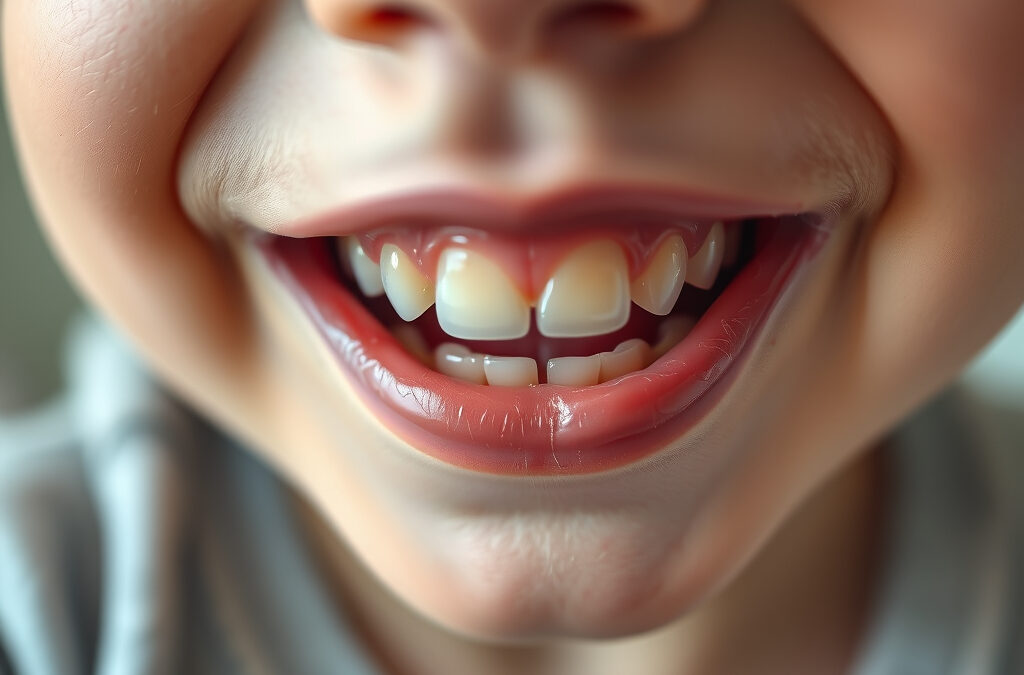
Do Cavities in Baby Teeth Really Matter?
This is one of the most common questions parents ask—and one of the most misunderstood.
Yes, cavities in baby teeth absolutely matter, even though those teeth eventually fall out.
Baby teeth:
· Hold space for permanent teeth
· Support speech development
· Allow proper chewing and nutrition
· Guide jaw and facial growth
When a baby tooth is damaged or lost too early due to decay, it can create long-term orthodontic and developmental problems.
How Do Cavities Form in Young Children?
Cavities can develop as soon as the first tooth erupts. Common causes include:
· Frequent snacking or sipping (even milk or juice)
· Falling asleep with a bottle or sippy cup
· Brushing without fluoride toothpaste
· Not brushing long enough or thoroughly (especially under age 6)
Many parents are surprised to learn that cavities can form without visible pain until they are advanced.
What Happens If Cavities Are Left Untreated?
Untreated decay can lead to:
· Tooth pain or infection
· Abscesses requiring emergency care
· Early tooth loss
· Damage to developing permanent teeth
· Increased dental anxiety later
Early treatment is almost always simpler, faster, and less stressful.
How Are Cavities in Baby Teeth Treated?
Treatment depends on the severity of decay and your child’s comfort level. Options may include:
· Fluoride treatments for early demineralization
· Tooth-colored pediatric fillings
· Silver diamine fluoride (SDF) to stop decay without drilling
· Sedation dentistry for anxious children or multiple cavities
At The Tooth Shop in Gilbert, we prioritize minimally invasive options whenever possible.
Can Cavities Be Prevented?
Yes. Prevention includes:
· Brushing twice daily with fluoride toothpaste
· Routine pediatric dental visits
· Sealants on vulnerable teeth
· Nutrition guidance that fits real family life
Recent Comments