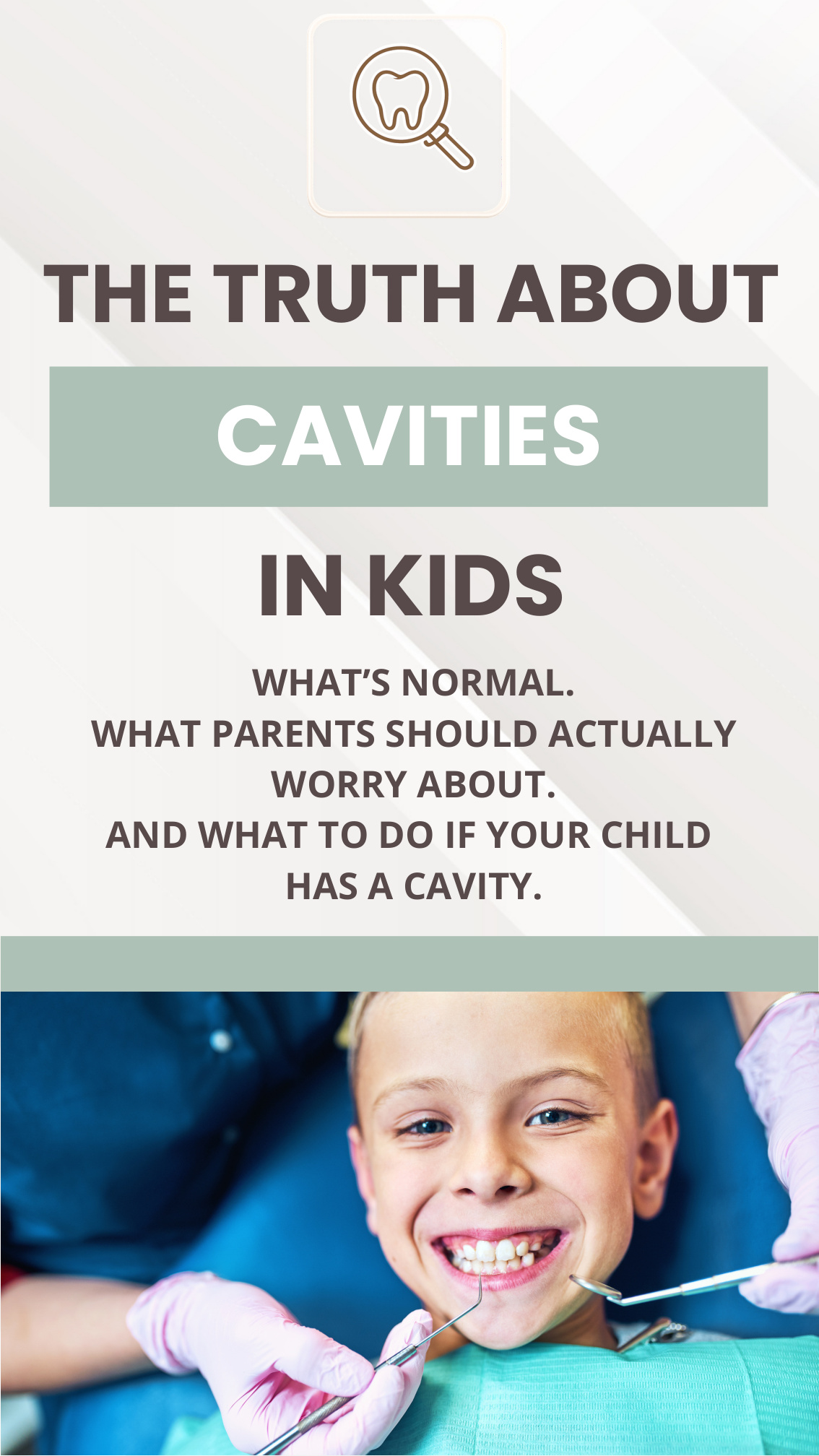
What is normal, what to watch for, and what to do if your child has a cavity. This guide gives you practical, parent-friendly information to help you understand the topic and know what to discuss with your child’s dental team.
Key takeaways
- Cavities are common in children, but they should still be taken seriously.
- Baby teeth matter for comfort, speech, chewing, and spacing.
- Treatment recommendations depend on the tooth, the cavity, and the child.
Cavities Are Common, But They Matter
If your child has a cavity, take a breath. You are not a bad parent, and your child is not failing. Cavities are common, but they deserve attention because small problems are easier to treat than bigger ones.
What Is Normal?
It is normal for children to need help brushing and to miss hard-to-reach spots. It is also common for cavities to begin before a child complains of pain, which is why regular dental visits matter.
What Is Not Normal?
Call your child’s dentist if you notice tooth pain, swelling, sensitivity, dark spots, holes, broken tooth structure, bad breath that does not improve, or trouble sleeping because of mouth pain.
Baby Teeth Still Matter
Baby teeth help children chew, speak, smile, and hold space for adult teeth. Some baby teeth stay in the mouth until age ten, eleven, or twelve, so keeping them healthy can be very important.
Not Every Cavity Needs the Same Treatment
A small cavity, a deep cavity, a cavity on a baby tooth, and a cavity on a permanent tooth may all need different plans. Good dental care should be thoughtful and based on your child’s needs.
What Happens If a Cavity Is Found?
We explain where the cavity is, how serious it appears, what happens if we monitor it, and what happens if we treat it. Parents should understand the plan before making a decision.
Possible Treatment Options
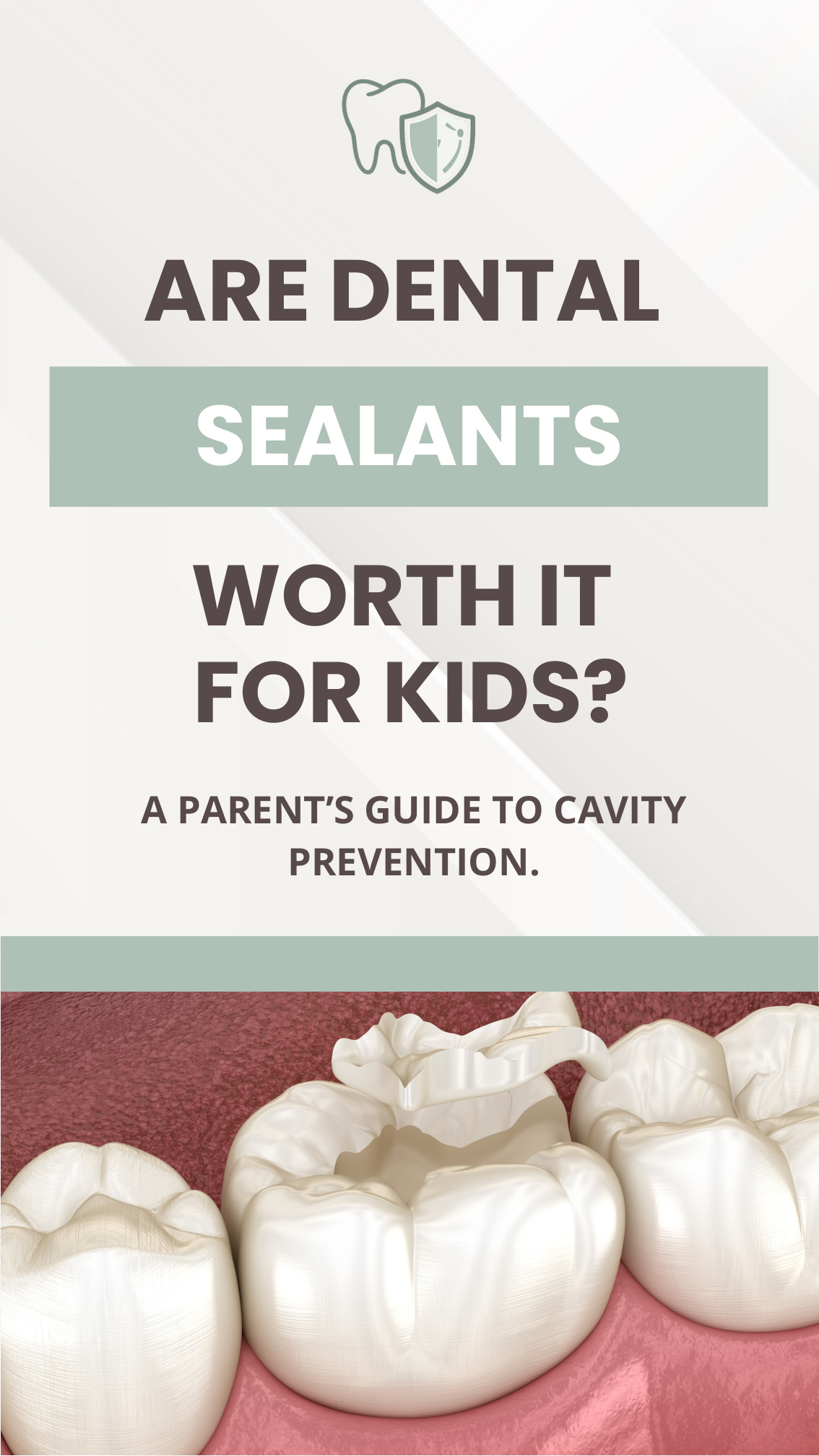
Treatment may include monitoring early spots, fluoride, sealants, silver diamine fluoride in select cases, tooth-colored fillings, crowns, or removing a tooth only when necessary.
Common parent questions
Frequently asked questions
Does a cavity mean I did something wrong?
No. Cavities are common in children and do not mean you are a bad parent. The important step is understanding the cause and making a prevention or treatment plan.
Do cavities in baby teeth really need attention?
Yes. Baby teeth support chewing, speech, spacing, and comfort. Some baby teeth need to stay healthy for years before they fall out.
Does every cavity need the same treatment?
No. Treatment depends on the tooth, cavity size, symptoms, how long the tooth needs to last, and your child’s overall cavity risk.