
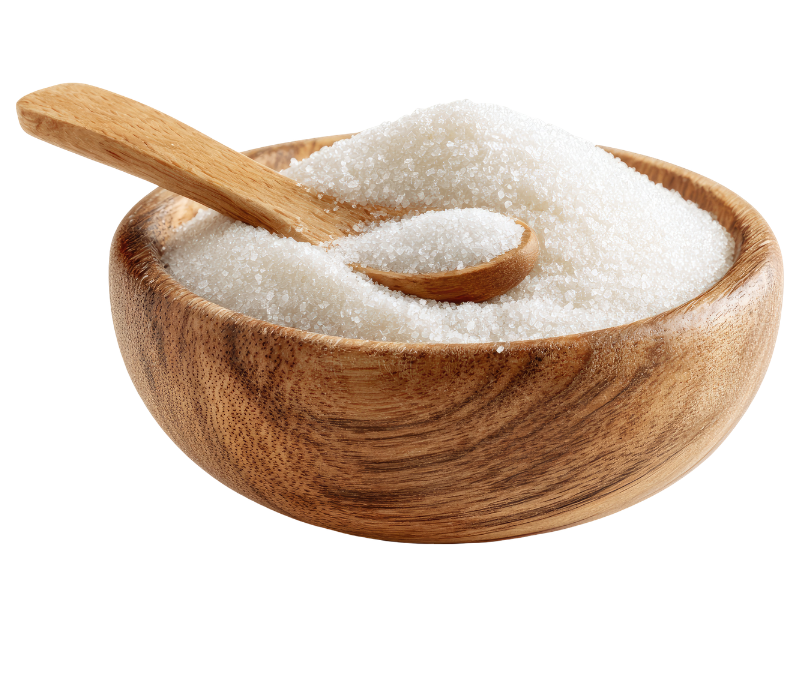
Does Sugar Really Cause Cavities?
Sugar gets blamed for cavities.
And yes, sugar plays a big role.
But sugar alone is not the full story.
Cavities happen when bacteria in the mouth feed on sugars and carbohydrates, then produce acid that weakens the enamel. Over time, that acid can break down the tooth and create a cavity.
So the real issue is not just whether your child eats sugar.
It is how often their teeth are exposed to sugar, how well their teeth are cleaned, how much fluoride protection they have, and how cavity-prone their mouth may be.
At The Tooth Shop in Gilbert, AZ, we help parents understand the real causes of cavities so they can make practical choices without feeling judged or overwhelmed.
So, Does Sugar Cause Cavities?
Sugar contributes to cavities, but it does not create them by itself.
Here is the simple version:
Bacteria live in everyone’s mouth.
When your child eats or drinks sugar, those bacteria feed on it.
Then the bacteria produce acid.
That acid attacks the enamel, which is the hard outer layer of the tooth.
If this happens often enough, the enamel weakens and a cavity can form.
That means cavities are caused by a combination of:
- Bacteria
- Sugar or carbohydrates
- Acid
- Time
- Plaque buildup
- Tooth strength
- Brushing and flossing habits
- Fluoride exposure
- Snack and drink frequency
Sugar matters, but it is only one part of the bigger picture.
What Really Causes Cavities in Kids?
Cavities form when the mouth stays in an acid-producing cycle too often.
Every time your child eats or drinks something sugary or starchy, the bacteria in their mouth can produce acid.
The mouth can recover from occasional acid attacks.
But if a child snacks or sips throughout the day, the teeth may not get enough time to recover.
That is when cavities become more likely.
Common cavity contributors include:
- Frequent snacking
- Sticky foods
- Sugary drinks
- Juice
- Soda
- Sports drinks
- Chocolate milk
- Gummies and fruit snacks
- Crackers and chips
- Poor brushing technique
- Not flossing where teeth touch
- Deep grooves in molars
- Dry mouth
- Irregular dental visits
This is why a child can eat candy occasionally and have no cavities, while another child who sips juice or snacks all day may develop several.
Frequency matters.
Why Frequency Matters More Than Amount
This is one of the most important things for parents to understand.
How often your child has sugar usually matters more than how much they have at one time.
For example:
Eating a small dessert with dinner is usually less risky for teeth than sipping juice for three hours.
Why?
Because the dessert happens during one eating window.
The juice exposes the teeth to sugar over and over again.
Each exposure gives bacteria another chance to make acid.
So instead of only asking, “How much sugar is my child eating?” it is better to ask:
“How often are their teeth being exposed to sugar or snacks throughout the day?”
That question is usually more helpful.
Are Cavities Only Caused by Candy?
No.
Candy can contribute to cavities, especially sticky candy that clings to teeth.
But many cavity-causing foods do not look like “sweets.”
Common foods that can contribute to cavities include:
- Crackers
- Chips
- Pretzels
- Granola bars
- Dried fruit
- Fruit snacks
- Cookies
- Cereal
- Bread
- Pouches
- Sweetened yogurt
- Juice
- Chocolate milk
Starchy foods can break down into sugars and get stuck in grooves or between teeth.
That does not mean your child can never eat crackers or snacks.
It just means parents should understand that cavities are not only about candy.
Is Juice Better Than Soda?
For overall nutrition, some juices may contain vitamins.
But for teeth, juice and soda can both contribute to cavities.
Both can expose teeth to sugar.
Both can be acidic.
And both can become a bigger problem when children sip them slowly throughout the day.
The safest everyday drink for teeth is water.
If your child drinks juice, it is usually better to offer it with a meal instead of letting them sip it over a long period of time.
What About Fruit?
Whole fruit is different from juice or sticky fruit snacks.
Whole fruit has fiber, water, and chewing involved, which makes it a better choice than juice for most children.
That said, dried fruit can stick to teeth, and frequent grazing on fruit all day can still increase sugar exposure.
The goal is not to make parents afraid of fruit.
The goal is balance.
Whole fruit with meals or snacks is usually a much better choice than sipping juice or eating sticky fruit snacks throughout the day.
The Biggest Sugar Mistakes Parents Miss
Most parents already know candy and soda can be hard on teeth.
But the biggest cavity habits are often less obvious.
Watch for:
- Sipping juice between meals
- Going to bed with milk or sweet drinks
- Frequent snacking all afternoon
- Sticky fruit snacks or gummies
- Sports drinks after practice
- Chocolate milk throughout the day
- Crackers that get stuck in molars
- Treats spread out over several hours
- Not brushing before bed
- Skipping flossing between tight teeth
Small habits add up.
The goal is not perfection.
The goal is fewer acid attacks and better protection for the teeth.
How to Make Sugar Less Risky for Teeth
Your child does not need a sugar-free childhood to have healthy teeth.
A realistic plan works better than strict rules that are impossible to maintain.
Helpful strategies include:
- Offer sweets with meals instead of all-day snacking
- Choose water between meals
- Avoid sipping juice throughout the day
- Brush twice daily with fluoride toothpaste
- Floss where teeth touch
- Keep sticky treats occasional
- Encourage rinsing with water after sweets
- Avoid sending kids to bed with milk, juice, or sweet drinks
- Keep regular dental checkups
- Ask about fluoride and sealants if your child is cavity-prone
Consistency matters more than perfection.
What Should Kids Drink Most Often?
Water is the best everyday drink for teeth.
It helps rinse the mouth, supports saliva, and does not feed cavity-causing bacteria.
Milk can be part of a healthy diet, but it should not be sipped constantly throughout the day or used at bedtime after brushing.
Juice, soda, sports drinks, lemonade, and sweetened drinks should be limited and offered with meals when possible.
A simple rule for many families:
Water between meals.
Milk with meals.
Juice and sweet drinks occasionally.
Why Brushing Alone Is Not Always Enough
Brushing is important, but it does not erase all cavity risk.
If a child is sipping juice or snacking frequently all day, their teeth may be under repeated acid attacks even if they brush morning and night.
Brushing also does not clean well between teeth that touch.
That is why flossing matters.
A strong cavity prevention plan includes:
- Brushing
- Flossing
- Fluoride
- Smart snack timing
- Water
- Regular dental visits
All of these pieces work together.
Why Some Kids Get Cavities More Easily
Some children are more cavity-prone than others.
This can happen because of:
- Deep grooves in teeth
- Tight spaces between teeth
- Enamel differences
- Dry mouth
- Mouth breathing
- Medications
- Medical conditions
- Brushing challenges
- Sensory sensitivities
- Family history
- Diet and snack habits
If your child gets cavities easily, it does not mean you are failing.
It means they may need a more personalized prevention plan.
How The Tooth Shop Helps Prevent Cavities
At The Tooth Shop, we do not believe in shaming parents about sugar.
Most families are doing their best.
Our job is to help you understand your child’s actual cavity risk and create a plan that fits real life.
That may include:
- Gentle exams
- Cavity risk assessment
- Brushing and flossing tips
- Fluoride recommendations
- Sealants when appropriate
- Nutrition guidance
- X-rays when needed
- Early cavity detection
- Clear treatment options
- Support for nervous children
The goal is to prevent small issues from becoming bigger ones.
When Should You See a Pediatric Dentist?
Schedule a visit if your child has:
- Tooth sensitivity
- White chalky spots
- Brown or dark spots
- Food getting stuck in the same place
- Pain when chewing
- Bad breath that does not improve
- Bleeding or swollen gums
- A visible hole in a tooth
- A history of frequent cavities
Even if your child has no symptoms, regular visits help catch cavities early, often before pain starts.
Pediatric Cavity Prevention in Gilbert, AZ
If you are worried about sugar, snacks, juice, or cavities, The Tooth Shop can help.
We provide pediatric dental care for children in Gilbert, Mesa, Queen Creek, Chandler, and the surrounding East Valley.
Our approach is practical, kind, and judgment-free.
We help parents understand what is actually happening and what they can do to protect their child’s smile.
FAQs About Sugar and Cavities in Kids
Does sugar really cause cavities?
Sugar contributes to cavities, but it does not act alone. Cavities happen when bacteria feed on sugar and produce acid that weakens enamel over time.
What causes cavities more: how much sugar or how often my child eats sugar?
How often your child’s teeth are exposed to sugar usually matters more than the amount. Frequent snacking or sipping gives bacteria more chances to produce acid.
Is juice healthier than soda for teeth?
Not really. Juice and soda can both contribute to cavities because both can contain sugar and acid. Water is the best everyday drink for teeth.
Are fruit snacks bad for teeth?
Fruit snacks can be hard on teeth because they are sticky and often cling to grooves and between teeth. They are best kept occasional rather than daily.
Is whole fruit bad for teeth?
Whole fruit is generally a better choice than juice or sticky fruit snacks. It contains fiber and water, but frequent grazing on fruit all day can still increase sugar exposure.
Are crackers and chips bad for teeth?
They can contribute to cavities because starches break down into sugars and can stick in grooves of molars. They are not “bad,” but frequent snacking can increase risk.
Can my child have candy and still avoid cavities?
Yes. Occasional candy is not the same as constant sugar exposure. It is better to have sweets with meals and then return to water between meals.
What is the worst candy for teeth?
Sticky candies like gummies, taffy, caramels, and fruit snacks can be especially risky because they cling to teeth longer.
Is chocolate better than sticky candy?
Chocolate often clears from the mouth more easily than sticky candy, so it may be less risky for teeth. Frequency still matters.
Should my child brush right after eating sugar?
Brushing twice daily is important. After sweets, rinsing with water can help. If your child had acidic foods or drinks, waiting a bit before brushing may be helpful because enamel can be temporarily softened.
What drink is best for kids’ teeth?
Water is the best everyday drink for teeth. It helps rinse the mouth and does not feed cavity-causing bacteria.
Is milk bad for teeth?
Milk can be part of a healthy diet, but it should not be sipped constantly or used at bedtime after brushing. Milk contains natural sugars that can contribute to cavities with frequent exposure.
Can my child get cavities even if they brush every day?
Yes. Brushing is important, but cavities can still happen if there is frequent snacking, sugary drinks, deep grooves, tight teeth, missed flossing, or higher cavity risk.
Does flossing really matter for kids?
Yes, especially when teeth touch. Brushing does not clean well between teeth, and cavities often form in those spaces.
Are sealants helpful for cavity prevention?
Yes. Sealants help protect the deep grooves of molars where food and bacteria can get trapped. They can be especially helpful for cavity-prone children.
Does fluoride help prevent cavities?
Yes. Fluoride helps strengthen enamel and can make teeth more resistant to acid attacks. Your child’s dentist can recommend the right fluoride approach for their age and risk.
How can I reduce sugar without making my child feel restricted?
Focus on timing instead of fear. Offer sweets with meals, keep water between meals, avoid all-day grazing, and make treats occasional instead of constant.
What if my child already has cavities?
Do not panic. Cavities are common and treatable. A pediatric dentist can explain the severity, treatment options, and prevention steps to reduce future cavities.
How often should my child see the dentist?
Many children benefit from dental visits every six months, but some cavity-prone children may need more frequent visits. Your pediatric dentist can recommend the right schedule.
Can The Tooth Shop help with cavity prevention?
Yes. The Tooth Shop helps families understand cavity risk, improve prevention habits, and catch dental issues early in a calm, judgment-free environment.
Schedule a Pediatric Dental Visit in Gilbert, AZ
Sugar is only part of the cavity story.
If you want to understand your child’s cavity risk and create a prevention plan that works for your family, The Tooth Shop is here to help.
We serve families in Gilbert, Mesa, Queen Creek, Chandler, and the surrounding East Valley with gentle, practical pediatric dental care.
Download the parent’s guide.
https://www.toothshop-az.com/parent-resources/guides/sugar-and-cavities/
Recent Comments