
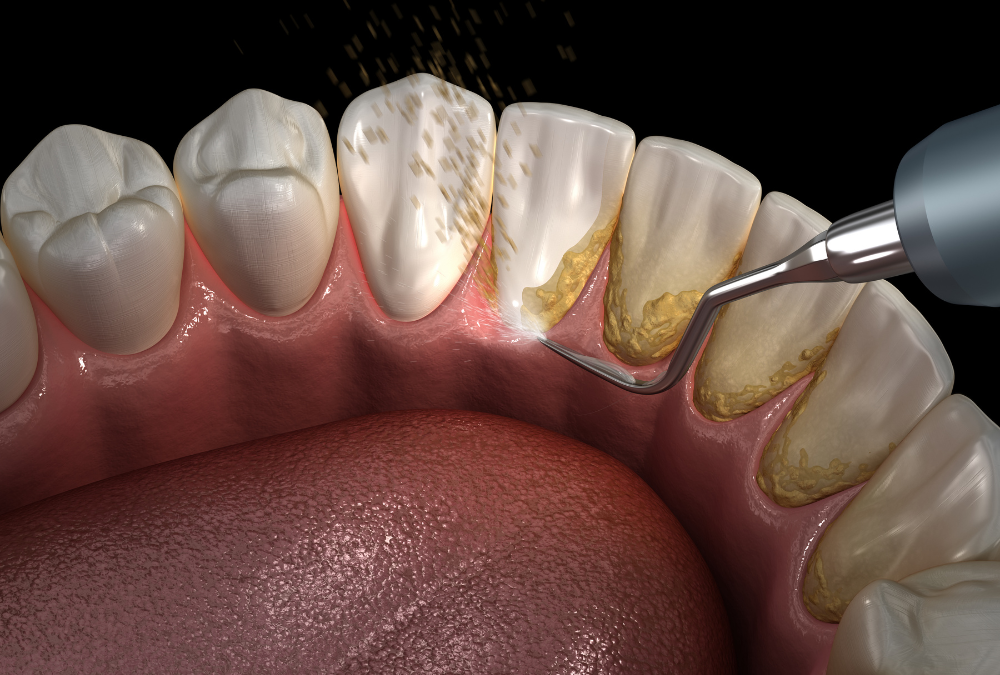
Lower Teeth Buildup and Mouth Breathing: What Parents Should Know
Many parents notice buildup behind their child’s lower front teeth and wonder, “Are they just not brushing well?”
Sometimes brushing is part of the issue. But there may be more going on.
Lower front teeth are a common place for plaque and tartar buildup. Mouth breathing can also make the mouth drier, which may increase plaque, tooth decay, and gum irritation.
At The Tooth Shop, we look at both the teeth and the habits behind the buildup.
What Is the Buildup Behind Lower Front Teeth?
The buildup parents often see behind the lower front teeth may be plaque or tartar.
Plaque is soft and sticky. It forms daily and can usually be removed with brushing and flossing.
Tartar, also called calculus, is hardened plaque. Once plaque hardens into tartar, it usually needs to be removed by a dental professional.
Why Does Buildup Happen So Often on Lower Teeth?
The lower front teeth sit near saliva flow from glands under the tongue. Saliva contains minerals that are helpful for teeth, but those minerals can also harden plaque faster when plaque is left behind.
That is one reason the inside surfaces of the lower front teeth are such a common place for tartar.
What Does Mouth Breathing Have to Do With It?
Mouth breathing can dry out the mouth.
Saliva helps protect teeth by washing away food particles and helping neutralize bacteria. Mayo Clinic notes that snoring and breathing with the mouth open can contribute to dry mouth, and dry mouth can increase plaque, tooth decay, and gum disease risk.
When a child breathes through the mouth often, especially at night, the teeth and gums may not get the same protective saliva flow.
Signs Your Child May Be Mouth Breathing
Parents may notice:
- Sleeping with the mouth open
- Dry lips
- Bad breath in the morning
- Snoring
- Restless sleep
- Waking up thirsty
- Dark circles under the eyes
- Daytime fatigue
- Difficulty focusing
- Frequent congestion
- Open-mouth posture during the day
Not every child who mouth breathes has a serious problem. But frequent mouth breathing is worth paying attention to.
How Mouth Breathing Can Affect Teeth and Gums
When the mouth gets dry, plaque can become stickier and harder to control.
Mouth breathing may be connected with:
- More visible plaque
- Faster tartar buildup
- Bad breath
- Dry or irritated gums
- Increased cavity risk
- Enamel changes
- Gum inflammation
The American Dental Association notes that caries risk is influenced by multiple factors, including salivary flow and composition, fluoride exposure, sugar intake, and preventive habits like brushing.
Is Lower Teeth Buildup Always a Sign of Mouth Breathing?
No.
Lower front buildup can also be caused by:
- Missed brushing along the gumline
- Not flossing
- Crowded lower teeth
- Permanent retainers
- Brushing too quickly
- Brushing only the front surfaces
- High plaque formation
- Diet and snacking habits
- Normal saliva mineral patterns
That is why it helps to have a dentist evaluate the full picture.
Why Kids Miss the Lower Front Teeth
Kids often brush the teeth they can see: the front of the smile.
The tongue-side surfaces of the lower front teeth are harder to see and easy to skip. If the toothbrush is not angled toward the gumline, plaque can stay behind and harden.
For younger kids, parent help is usually needed even after they are old enough to hold the toothbrush themselves.
How Parents Can Help at Home
Try these habits:
- Brush twice daily
- Angle the toothbrush toward the gumline
- Spend extra time behind the lower front teeth
- Use small circles instead of fast scrubbing
- Help younger children brush
- Floss teeth that touch
- Encourage water between meals
- Keep regular dental cleanings
- Ask about mouth breathing if you notice open-mouth sleep
A powered toothbrush may also help some children brush more effectively, especially if they rush.
When to Call the Dentist
Schedule a visit if you notice:
- Hard yellow or white buildup
- Bleeding gums
- Bad breath that does not improve
- Swollen or red gums
- A rough feeling behind lower teeth
- Tooth sensitivity
- Frequent mouth breathing
- Snoring or restless sleep
- Buildup that returns quickly after cleanings
A dentist can remove tartar safely, check for gum irritation, and help identify whether mouth breathing or other habits may be contributing.
Why The Tooth Shop Looks Beyond the Teeth
At The Tooth Shop, we do not just say, “Brush better,” and send families on their way.
We look at what may be making brushing harder or plaque buildup more likely. That may include tooth position, mouth breathing, sleep habits, diet, enamel health, and brushing technique.
The goal is to help parents understand what is happening and give them realistic ways to improve it.
Final Thoughts
Lower front teeth buildup is common in kids, but it should not be ignored.
Sometimes it is mostly a brushing issue. Sometimes it is connected to dry mouth, mouth breathing, crowding, or sleep-related concerns.
If your child has frequent lower-teeth buildup or sleeps with their mouth open, The Tooth Shop can help you understand what is going on.
Need help with buildup, brushing, or mouth breathing concerns?
Download the parent’s guide.
https://www.toothshop-az.com/parent-resources/guides/airway-mouth-breathing-sleep-kids/
Recent Comments