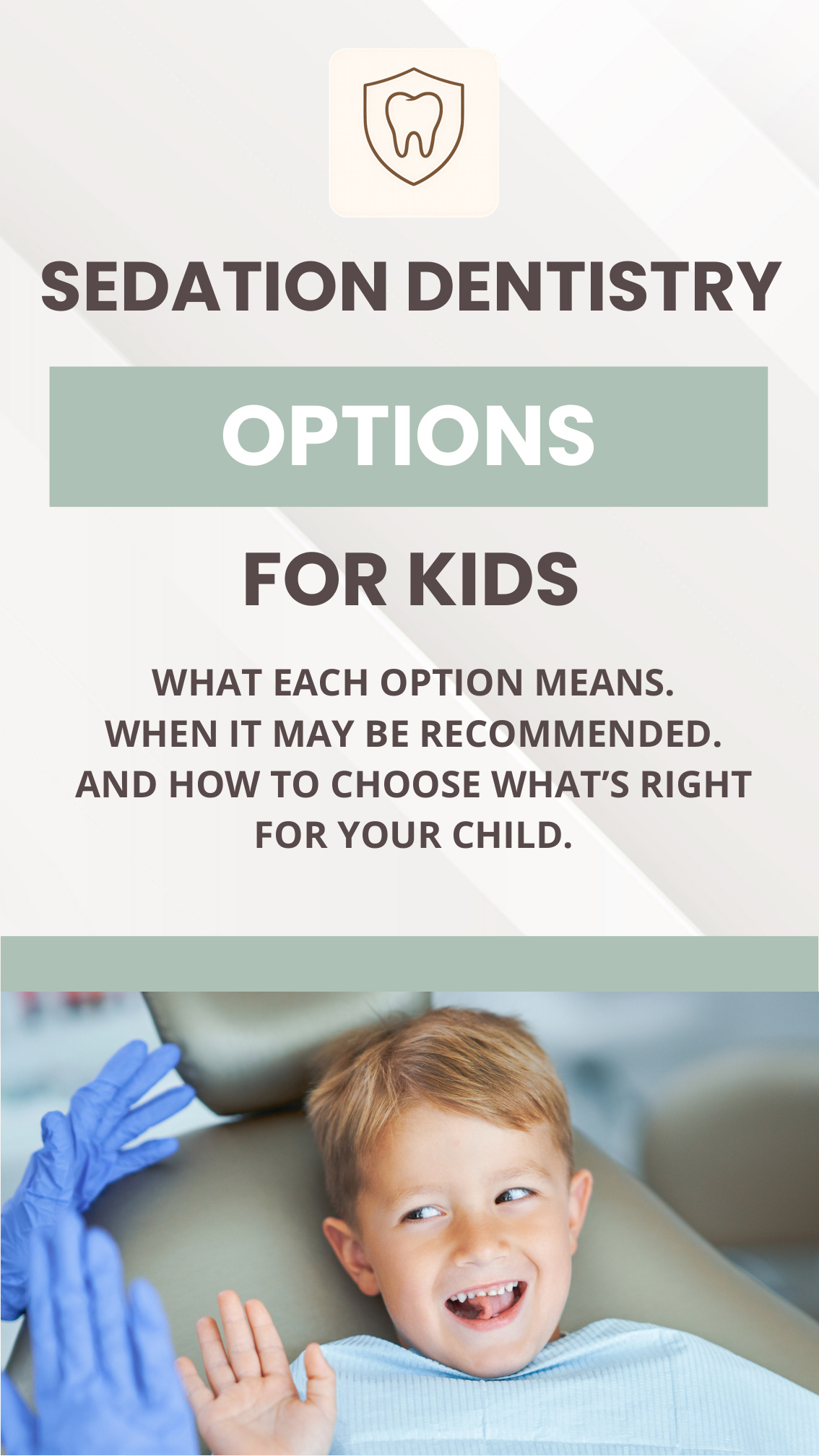
Understand the options, when they may be recommended, and questions to ask. This guide gives you practical, parent-friendly information to help you understand the topic and know what to discuss with your child’s dental team.
Key takeaways
- Sedation can help children who need extra support during dental treatment.
- The right option depends on the child, the treatment, and medical history.
- Parents should understand the purpose, risks, benefits, and recovery steps.
Dental Treatment Does Not Have To Feel Scary
Some children need extra support because of anxiety, age, sensory needs, a strong gag reflex, or the amount of treatment required. Sedation can help children feel calmer and more comfortable while needed care is completed safely.
Why Sedation May Be Recommended
Sedation is not about making a child behave. It is about helping the experience go better for the child. It may be recommended for higher anxiety, longer treatment, multiple cavities, sensory sensitivities, or previous difficult dental experiences.
Sedation Is Not One-Size-Fits-All
Different children need different levels of support. Before recommending sedation, Dr. Perkins considers your child’s age, anxiety level, medical history, treatment needs, safety considerations, and parent questions.
Nitrous Oxide
Nitrous oxide, often called laughing gas, is a mild option that helps many children relax while staying awake and responsive. It wears off quickly and may be useful for mild anxiety or shorter visits.
Oral Conscious Sedation
Oral conscious sedation uses medication taken by mouth before treatment. Children are not fully asleep, but they may feel relaxed or drowsy and may remember very little afterward.
Moderate Conscious Sedation
Moderate conscious sedation provides a deeper level of relaxation while your child is closely monitored. It may be appropriate for higher anxiety, more involved treatment, or difficulty tolerating care with lighter options.
IV Sedation
IV sedation may be recommended for extensive dental needs, severe anxiety, special healthcare considerations, or when completing care in fewer visits is best for the child. It requires additional preparation, monitoring, and recovery instructions.
Choosing the Right Option
There is no best sedation option for every child. The best option is the one that safely fits your child’s needs, comfort, medical history, and treatment plan.
Common parent questions
Frequently asked questions
Does sedation mean my child will be asleep?
Not always. Some options, like nitrous oxide, help children relax while they stay awake. Other options provide deeper relaxation depending on the child and treatment.
When might sedation be recommended?
Sedation may be considered for high anxiety, sensory needs, a strong gag reflex, extensive treatment, or a child who cannot comfortably complete care awake.
How is the right sedation option chosen?
The recommendation depends on your child’s age, medical history, anxiety level, treatment needs, safety considerations, and parent questions.