
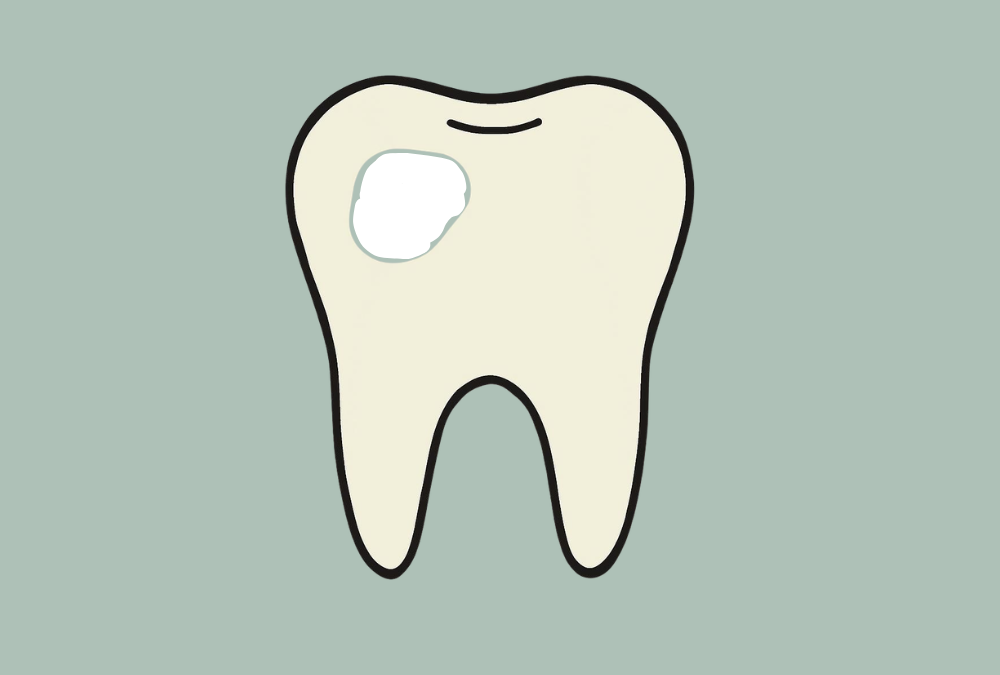
White Spots on Kids’ Teeth: Fluorosis, White Spot Lesions, and What Parents Should Know
White spots on a child’s teeth can be confusing. Some are harmless cosmetic changes. Others may be early warning signs that enamel is weakening.
The good news is that many white spots can be monitored, strengthened, or treated depending on the cause.
At The Tooth Shop, we help parents understand what they are seeing and what steps make sense next.
What Are White Spots on Teeth?
White spots are areas where the enamel looks lighter, chalkier, or more opaque than the surrounding tooth.
They may appear as:
- Small white flecks
- Cloudy patches
- Lines or streaks
- Chalky areas near the gumline
- Spots on front teeth
- Areas that look dull instead of shiny
White spots can have different causes, so the right next step depends on what is causing them.
Cause 1: White Spot Lesions
A white spot lesion is often an early sign of enamel demineralization. That means minerals are being pulled out of the enamel, often because of plaque, bacteria, acid exposure, frequent sugar, or difficulty brushing.
White spot lesions can be the earliest visible stage of a cavity. The American Dental Association describes dental caries as a continuum, ranging from early enamel changes to more advanced tooth destruction.
These spots may show up near the gumline, around braces, between teeth, or in areas where plaque sits for too long.
Cause 2: Dental Fluorosis
Dental fluorosis happens when a child gets too much fluoride while permanent teeth are still developing under the gums.
Mild fluorosis often appears as white flecks, spots, or lines on the enamel. The CDC notes that most dental fluorosis in the United States is mild and cosmetic, meaning it does not usually affect tooth function or cause pain.
Fluorosis typically forms before the tooth comes into the mouth. Parents may notice it once the adult teeth erupt.
Cause 3: Enamel Development Differences
Some children have enamel that formed differently because of illness, trauma to a baby tooth, premature birth, certain medications, or other developmental factors.
These enamel differences can sometimes look like white, yellow, brown, or rough patches.
Cause 4: Plaque Buildup
Sometimes what looks like a white spot is actually plaque sitting on the tooth.
If the area wipes away or improves after brushing, it may not be a permanent enamel change. If it stays, it should be checked by a dentist.
Fluorosis vs. White Spot Lesions: What Is the Difference?
The main difference is timing and cause.
Fluorosis usually happens while teeth are developing before they erupt. It is often cosmetic and may appear as scattered white marks or streaks.
White spot lesions often happen after teeth erupt and are usually related to plaque and acid exposure. They may be an early sign of cavity activity.
The AAPD considers children with white spot lesions to be at higher risk for cavities because they can indicate active disease.
Should Parents Be Worried?
Not always.
Many white spots are mild and can be monitored. But parents should schedule a dental visit if the spot is:
- New
- Chalky
- Rough
- Near the gumline
- Getting larger
- Turning yellow or brown
- Sensitive
- In an area that is hard to brush
- Showing up on multiple teeth
Early evaluation helps determine whether the spot is cosmetic, active, or something that needs treatment.
Can White Spots Turn Into Cavities?
Some can.
A white spot lesion may be the first visible stage of enamel breakdown. If the enamel continues losing minerals, the spot can progress into a cavity.
That is why early detection matters. Some early enamel changes can be managed with prevention, fluoride, hygiene changes, dietary improvements, or close monitoring.
Can Fluorosis Be Prevented?
Parents can help reduce fluorosis risk by using the correct amount of toothpaste.
The CDC recommends a smear about the size of a grain of rice for children younger than 3 and a pea-sized amount for children ages 3 to 6.
Parents should also supervise brushing so children spit instead of swallowing toothpaste.
Can White Spots Be Treated?
Treatment depends on the cause and severity.
Options may include:
- Better brushing and flossing support
- Fluoride or remineralizing products
- Diet and snack habit changes
- Monitoring over time
- Resin infiltration
- Tooth-colored bonding
- Cosmetic options for older children or teens
- Treatment if a cavity has developed
Not every white spot needs treatment. Some only need monitoring.
How The Tooth Shop Helps Parents
At The Tooth Shop, Dr. Perkins looks at the location, texture, shape, and history of the white spots. He may also review your child’s brushing habits, fluoride use, diet, cavity risk, and whether the spots are changing over time.
The goal is not to scare parents. The goal is to understand what the spots mean and create a plan that fits your child.
Final Thoughts
White spots on kids’ teeth can come from fluorosis, early enamel weakening, plaque buildup, or developmental changes.
Some are harmless. Others deserve closer attention.
If you notice white spots on your child’s teeth, The Tooth Shop can help you understand what is happening and what to do next.
Have questions about white spots or fluorosis?
Download the parent’s guide.
https://www.toothshop-az.com/parent-resources/guides/fluorosis-white-spots-lesions/
Make an appointment.
Recent Comments