
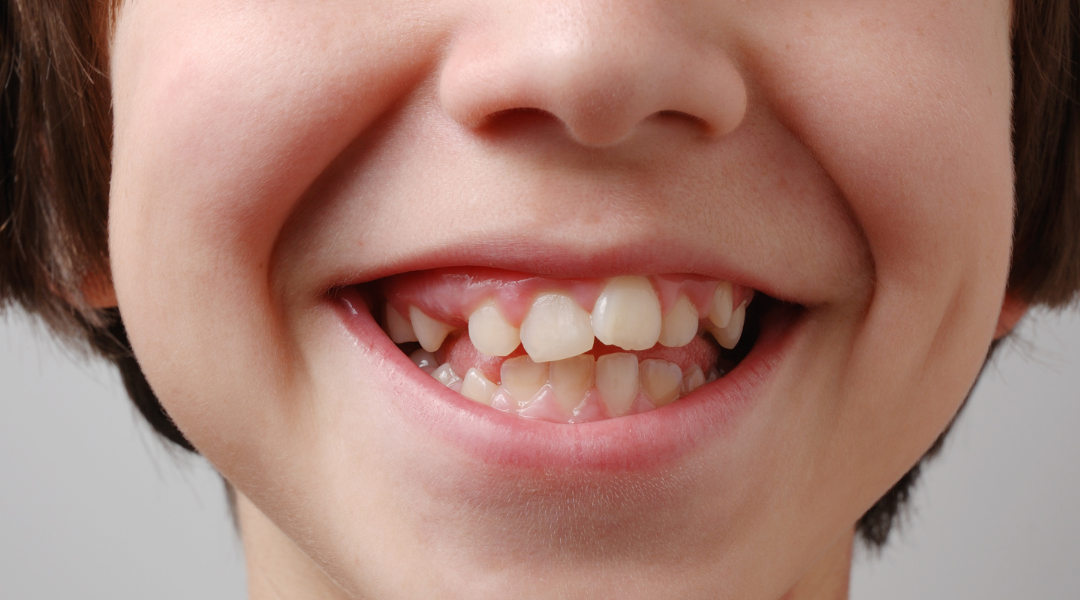
It can be surprising for parents to watch perfectly spaced baby teeth get replaced by adult teeth that suddenly look crowded, rotated, or crooked.
The good news is that this is extremely common.
As children grow, their mouths, jaws, and teeth are all developing at different rates. Sometimes adult teeth simply don’t have enough room to erupt properly—or they come in at unusual angles before the rest of the mouth catches up.
In many cases, crooked adult teeth are a normal part of development, but they can also be an early sign that orthodontic treatment may eventually be helpful.
Why Do Adult Teeth Come In Crooked?
There are several common reasons adult teeth may erupt crooked or crowded.
Not Enough Space in the Jaw
One of the biggest causes is lack of space.
Adult teeth are much larger than baby teeth, and some children simply do not have enough room in their jaws for permanent teeth to come in properly.
This can lead to:
- crowding
- overlapping teeth
- teeth rotating
- teeth erupting behind or in front of others
Genetics
Jaw size, tooth size, spacing, and bite patterns are often inherited.
If parents had crowded teeth or needed braces, there’s a good chance their children may experience similar orthodontic issues.
Early or Late Loss of Baby Teeth
Baby teeth help hold space for incoming adult teeth.
If baby teeth fall out too early due to:
- cavities
- trauma
- extraction
…neighboring teeth may drift into the open space and block permanent teeth from erupting correctly.
In other cases, baby teeth that stay in too long can also alter eruption patterns.
Thumb Sucking or Oral Habits
Extended thumb sucking, pacifier use, tongue thrusting, or mouth breathing can affect jaw development and tooth positioning over time.
These habits may contribute to:
- bite problems
- protruding front teeth
- narrow dental arches
- crooked eruption patterns
Impacted or Misaligned Teeth
Sometimes adult teeth develop at unusual angles below the gums.
This can cause teeth to:
- erupt sideways
- become trapped
- push against neighboring teeth
- emerge partially
X-rays are often helpful in identifying these issues early.
Is It Normal for Adult Teeth to Look Crooked at First?
Yes—sometimes.
Many newly erupting teeth look uneven temporarily because the jaw is still growing and additional adult teeth have not fully erupted yet.
For example:
- front teeth may look crowded initially
- gaps may appear temporarily
- teeth may rotate slightly during eruption
As more permanent teeth come in, spacing and alignment may improve naturally.
However, significant crowding or bite problems should still be evaluated.
When Should Parents Be Concerned?
Parents should consider an orthodontic evaluation if they notice:
- severe crowding
- teeth erupting behind other teeth
- major bite issues
- difficulty chewing
- mouth breathing
- impacted teeth
- early loss of baby teeth
- jaw shifting or asymmetry
The American Association of Orthodontists recommends children receive an orthodontic evaluation around age 7.
This does not always mean braces are needed immediately—but it helps identify developmental concerns early.
Can Crooked Adult Teeth Correct Themselves?
Sometimes mild alignment issues improve naturally as:
- the jaw grows
- more adult teeth erupt
- spacing changes over time
However, moderate or severe crowding typically does not fully self-correct.
Early monitoring allows orthodontists to determine whether treatment is necessary now, later, or not at all.
Do Crooked Teeth Always Mean Braces?
Not necessarily.
Some children only need monitoring, while others benefit from:
- expanders
- limited early treatment
- braces later during adolescence
- Invisalign or aligners in certain cases
Treatment recommendations depend on:
- jaw development
- bite function
- spacing
- tooth positioning
- overall oral health
Why Early Evaluations Matter
Orthodontic evaluations are not just about cosmetic appearance.
Crooked teeth can sometimes contribute to:
- difficulty cleaning teeth
- increased cavity risk
- uneven tooth wear
- bite problems
- speech issues
- jaw strain
Identifying problems early can help simplify treatment and improve long-term oral health.
Frequently Asked Questions About Crooked Adult Teeth
Is it normal for adult teeth to come in crooked?
Yes. Mild crowding or uneven eruption is common as permanent teeth come in.
Why are my child’s adult teeth coming in behind baby teeth?
This is sometimes called “shark teeth” and happens when adult teeth erupt before baby teeth fall out naturally.
Will crooked adult teeth straighten naturally?
Mild alignment issues sometimes improve as the jaw grows, but moderate or severe crowding often requires orthodontic treatment.
At what age should a child see an orthodontist?
Most orthodontists recommend an evaluation around age 7.
Do crooked teeth mean my child will need braces?
Not always. Some children only need monitoring, while others benefit from orthodontic treatment later.
Can thumb sucking cause crooked teeth?
Yes. Extended thumb sucking and oral habits can affect jaw development and tooth alignment.
Why are adult teeth larger than baby teeth?
Permanent teeth are naturally larger and stronger because they are designed to last throughout adulthood.
What happens if there isn’t enough room for adult teeth?
Teeth may erupt crooked, overlap, rotate, or become impacted.
Are crooked teeth only cosmetic?
No. Crooked teeth can affect bite function, oral hygiene, tooth wear, and long-term dental health.
Can early orthodontic treatment help?
Yes. Early intervention can sometimes guide jaw growth and reduce the severity of future crowding or bite issues.
For questions about braces and orthodontic care, check out https://www.toothshop-az.com/when-should-kids-get-braces/
Download the parent’s guide.
https://www.toothshop-az.com/parent-resources/guides/healthy-teeth-by-age/
Recent Comments